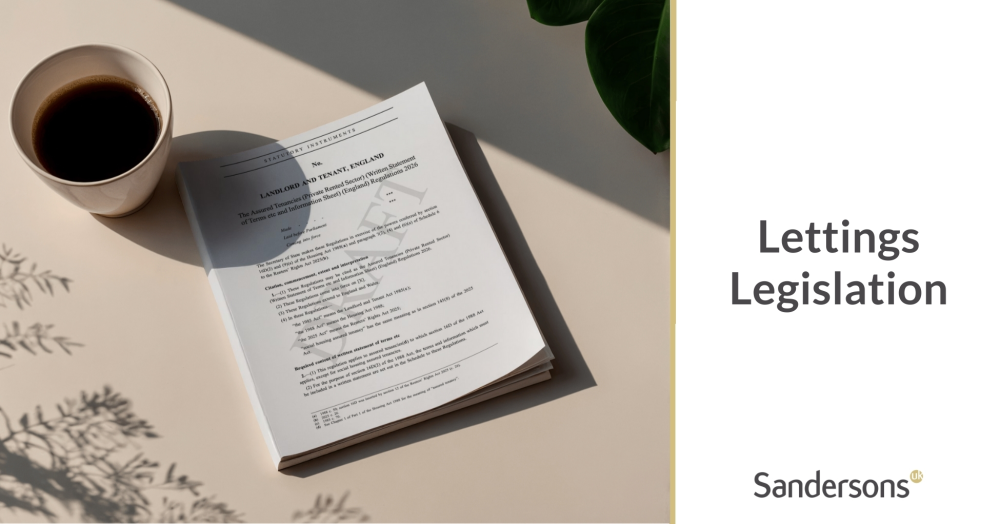
Draft tenancy information published. What this means for landlords after 1st May 2026
The UK Government has published draft regulations setting out the information tenants must receive under the new Assured Periodic Tenancy (APT) system. This is a positive step and offers more clarity on what is coming, but it is still draft guidance only. Find out everything you need to know about the new legislation, how to prepare and next steps.
If you have not year heard about the Renters Rights Act or have not followed the detail closely, this article covers:
• a summary of what the Renters Rights Act changes for new and existing tenancies
• when those changes take effect
• what the newly published draft tenancy information is
• what landlords need to do now, and what they do not
• answers to common landlord questions at the end
A quick summary of the Renters Rights Act 2025
The Renters Rights Act is the biggest change to the private rented sector in more than 30 years. Its aim is to improve standards and security for tenants while creating a clearer, more consistent framework for landlords and letting agents. The key changes landlords need to be aware of are:
• fixed term assured shorthold tenancies will end
• all private rented tenancies will become assured periodic tenancies
• section 21 no fault evictions will be abolished
• section 8 becomes the only route to possession
• new and strengthened grounds for possession are introduced
• rent increases are limited to once per year using a section 13 notice
• rental bidding wars are banned
• limits are placed on rent in advance
• discrimination against tenants with children or in receipt of benefits is banned
• tenants gain a right to request a pet
• local councils gain stronger enforcement powers
• new written information requirements are introduced
• a national private rented sector database and landlord ombudsman will be rolled out later
These reforms apply mainly to England and will take effect in stages.
When do the changes happen
The main reforms for the private rented sector take effect on 1 May 2026. From this date:
• all new and existing private rented tenancies become assured periodic
• section 21 can no longer be used
• the new rent review rules apply
• the new written information requirements begin
Other elements such as the private rented sector database and ombudsman will follow later.
What has just been published by the Government
The Government has now published draft regulations setting out the written information landlords will need to give tenants under the new assured periodic tenancy system. This written information is intended to explain:
• how the tenancy works
• rent and deposit details
• how rent increases are handled
• notice requirements
• landlord and tenant responsibilities
• safety and repair obligations
• information around pets, disability adaptations and supported accommodation where relevant
At this stage, these regulations are draft only. They are part of the secondary legislation needed to support the Act and are expected to be finalised in early 2026.
Who the written information will apply to
For new tenancies starting on or after 1 May 2026, tenants must receive the written statement of terms. The timing of when this needs to be issued is likely to be crucial and correct records need to be held as proof.
For existing tenancies created before 1 May 2026, landlords will not need to replace current tenancy agreements. Instead, tenants must be issued he correct documentation within the required timeframe.
Why nothing changes for landlords right now
Because the regulations are still in draft form, details may change before they are confirmed. Issuing new tenancy agreements or written information now would be premature and could result in documents needing amendment later or exposing landlords to unnecessary risk. The wider industry response has been measured and consistent. This draft provides clarity on direction, not a requirement to act early.
It is still under review and several early points we understand have been raised with the Ministry for Housing, Communities and Local Government to include the fact that the draft regulations do not yet fully reflect real life letting scenarios, such as:
• landlords based overseas
• arrangements involving vulnerable tenants or tenants with a disability
• the practical role of letting agents as the main point of contact
• clarity around pets, bills, permitted occupiers and ending a tenancy
This is exactly why these regulations are still in draft form.
How we are approaching this at Sandersons UK
If you've been following our blogs/newsletters/social media etc we have been preparing for the Renters Rights Act for some time and this draft confirms the approach we are already taking.
Behind the scenes, we are:
• reviewing the draft regulations in detail
• preparing assured periodic tenancy templates
• planning how the final written information will be issued
• ensuring documentation is robust, compliant and defensible
• aligning everything with the Government’s published roadmap
Once the final framework is confirmed, updated tenancy documentation will be issued promptly and correctly.
What landlords should do now
There is no need to rush or make changes early. The sensible steps at this stage are to:
• stay informed and ensure you are signed up to our newsletters
• avoid acting on draft guidance alone
• ensure your records and compliance are current, correctly issued to tenants and in good order
• work with an experienced agent who is actively preparing
• carry out a mid-tenancy property inspection if they haven't been kept up to date. We can do this for you as a one-off if required.
Frequently asked questions
Does this mean the new tenancy rules are live now
No. The new system does not take effect until 1 May 2026. This is draft guidance only.
Do I need to change my tenancy agreements now
No. Existing agreements remain valid and no new agreements should be issued at this stage.
Will all tenancies become periodic
Yes. From 1 May 2026 all private rented tenancies will become assured periodic tenancies.
My tenants have just renewed on a fixed term for 2 years- is this null and void?
Yes and no. The clauses and obligations are the same in the agreement but from 1 May 2026 it will automatically become an assured periodic tenancy.
How will landlords regain possession without section 21
Possession will be via section 8 only, using mandatory or discretionary grounds such as selling, moving in, rent arrears or serious breach.
Can tenants leave at any time
Tenants will be able to give two months notice, aligning with the rent period.
Can landlords still increase rent
Yes, but only once per year using the section 13 process and the rent must reflect market value. Tenants can challenge increases.
What happens if the written information is not issued correctly
Failure to provide the required information once the rules are live could expose landlords to enforcement action, which is why correct implementation matters and a professional agent is highly recommended.
What if I am self managing
If you are self managing, now is the time to stay informed and consider professional support ahead of May 2026.
If you would like us to review your position, talk through how these changes affect your property, or help you prepare calmly and confidently for 2026, we are here to help. If you have any concerns about your existing tenants or whether to review rents now ahead of 1st May and wish to discuss your options then please call us on 01227 784 784 or request a free portfolio review via the link below.
